Recruit for missing jobs, not an arbitrary total
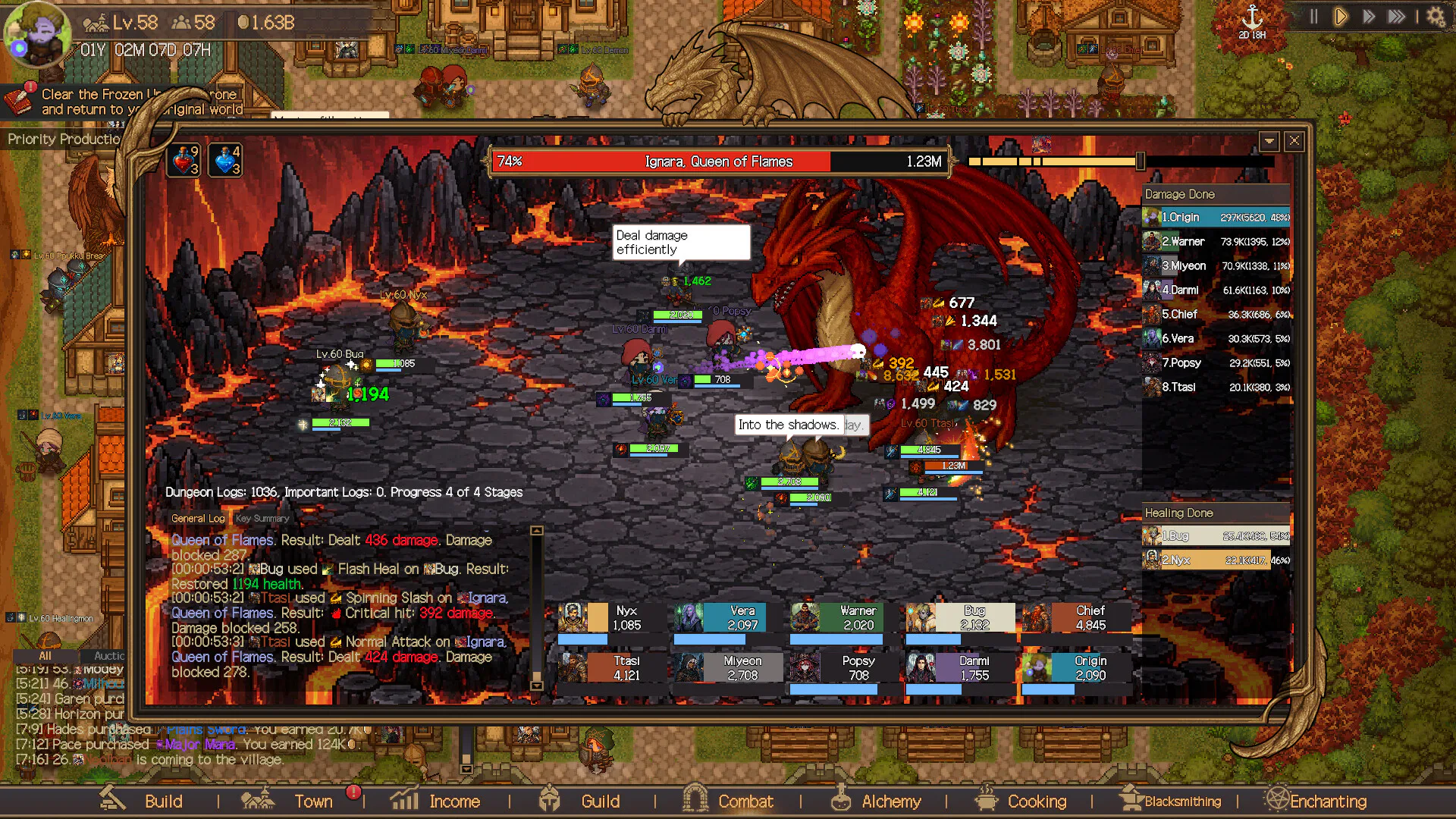
Creator Chronicles offers 120 guild members, each presented through a combination of class, skills, and abilities. The useful question is not whether a new recruit has a higher-looking number; it is which party problem that character can solve. Keep a short list of missing jobs such as durable protection, steady recovery, focused damage, or control. A candidate who fills a real gap deserves attention before a similar alternative to a role already covered.
Recruitment conditions are part of discovery, so the roster is expected to grow over time. Do not freeze progression while trying to locate every possible member. Maintain one reliable party, add a reserve for roles that commonly need substitution, and revisit recruitment after new town areas, quests, or facilities open.
Evaluate the complete kit
Class names offer a quick hint, but skills and abilities explain how a member behaves in practice. Compare the full kit with the party around it. A support member may be valuable because another recruit can capitalize on that support, while two individually strong attackers may compete for the same opening or leave the group without protection.
Use a repeatable comparison: identify the member's main job, the condition that lets the kit work, the resource needed to train or equip it, and the party slot it would replace. This prevents novelty from hiding a costly overlap. It also makes it easier to keep favorite characters in active use, because you can build around what they actually contribute.
Concentrate training where it changes a result
Training is most valuable when it turns a weak link into a dependable one. Start with the members used in current quests and dungeon attempts. If the group fails for a clear reason, invest in the role connected to that failure before upgrading the whole roster evenly. The Magic School can expand a member's skill options, so review learned skills alongside equipment rather than treating those systems as unrelated.
Maintain a small upgrade queue. The active party comes first, then a reserve member who covers a genuinely different job, then experimental recruits. Recheck the order whenever a new dungeon or raid changes the required party size or asks for a different balance. This keeps resources moving toward playable teams instead of unfinished candidates.
Use affinity as a roster system
Guild life extends beyond combat. Official descriptions connect tavern activity, conversations, gifts, affinity, and member synergy. That means relationship progress can matter to how a roster develops, while also revealing more about individual characters. Treat these interactions as another way to strengthen members you intend to use, not as a separate checklist that must be completed for all 120 at once.
When affinity or synergy changes, test the affected group in familiar content. A known dungeon provides a cleaner comparison than a new challenge with unknown demands. Keep changes that improve reliability or open a useful tactic, and avoid assuming that one successful result proves a universal best team.
Run a short roster review after major unlocks
After a new facility, skill option, or dungeon opens, review the active party and reserves. Check whether each member still has a clear job, whether equipment supports that job, and whether the group has an answer to the next objective. Move unused gear and resources away from abandoned experiments so they can help the current plan.
A healthy roster has clarity rather than perfect coverage. You should know which party handles routine expeditions, which substitutes answer special demands, and which recruits are still being tested. As raids introduce groups of 10, 12, or 15 members, this disciplined core becomes the foundation for larger teams instead of forcing you to organize dozens of strangers at once.